
Bringing you the latest news on global issues
Provided by AGP
Minor Roof Damage Often Leads to Larger Structural Problems Over Time
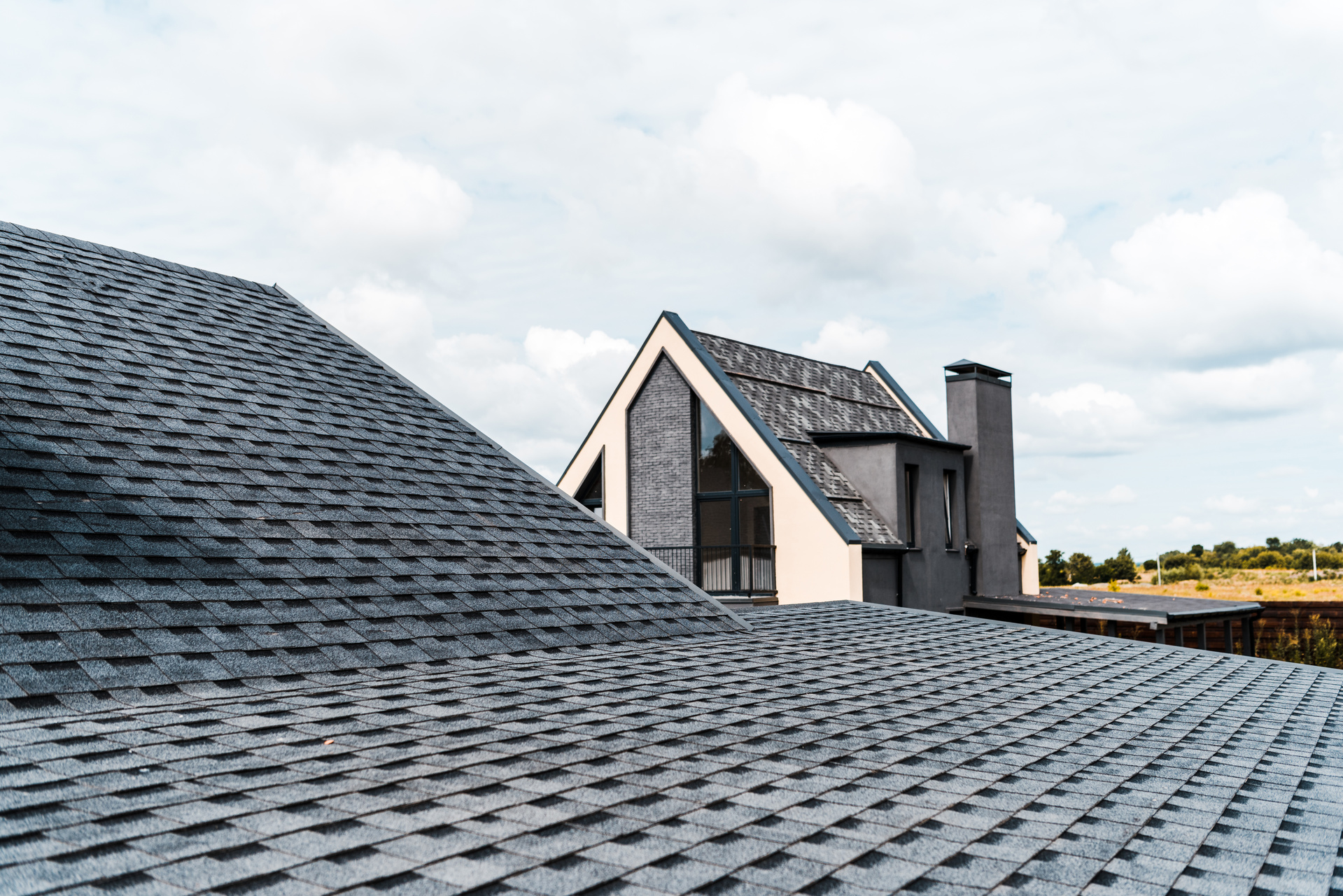

Many larger roofing problems start with small areas of damage that may not seem serious at first”
WISCONSIN RAPIDS, WI, UNITED STATES, May 8, 2026 /EINPresswire.com/ -- Roof systems are designed to protect homes and buildings from moisture, temperature changes, wind exposure, and seasonal weather conditions. While major roof damage is usually easy to recognize, smaller roofing issues often develop gradually and may go unnoticed until larger structural problems begin appearing inside the property.— Thad Brown
Roofing professionals frequently report that many significant repair situations begin with relatively minor issues such as loose shingles, damaged flashing, clogged drainage systems, small leaks, or deteriorating sealants. Over time, these smaller problems may allow moisture intrusion, insulation damage, wood rot, mold growth, and structural deterioration to spread beyond the roof itself.
Weather conditions across the Midwest can place substantial stress on roofing systems throughout the year. Snow accumulation, ice dams, freeze-thaw cycles, heavy rainfall, high winds, and temperature fluctuations all contribute to gradual wear affecting shingles, underlayment materials, flashing systems, and roof penetrations.
One of the most common issues involves water intrusion caused by damaged or missing shingles. Even small gaps in roofing materials may allow moisture to penetrate beneath the surface layer of the roof. Once water enters the roofing system, it can travel into decking materials, insulation, attic spaces, ceilings, and wall structures before visible signs appear inside the home.
Because water often moves away from the original entry point, the location of interior stains or leaks may not always reflect the actual source of the roofing problem. In some situations, moisture may remain trapped inside structural materials for extended periods before noticeable damage becomes visible.
Flashing failures are another common contributor to roof-related damage. Flashing is installed around chimneys, vents, skylights, valleys, and roof transitions to help direct water away from vulnerable areas. When flashing becomes loose, corroded, cracked, or improperly sealed, water may begin entering around those openings during rain or snow events.
Gutter and drainage problems can also contribute to roof deterioration over time. Clogged gutters may allow water to back up beneath roofing materials or overflow along fascia boards and siding. During colder months, standing water may contribute to ice dam formation, particularly in climates experiencing freezing temperatures and snow accumulation.
Ice dams develop when heat escaping from the attic causes snow to melt and refreeze near roof edges. The trapped water may then work beneath shingles and into the roofing system. Repeated freeze-thaw cycles can gradually damage roofing materials and increase the likelihood of interior water intrusion.
Ventilation issues may also affect roof lifespan and performance. Poor attic ventilation can contribute to moisture buildup, heat retention, condensation, and premature aging of roofing materials. Excess moisture inside attic spaces may create conditions favorable for mold growth, insulation damage, and wood deterioration.
Thad Brown, owner and founder of Dynamic Alliance Roofing LLC in Wisconsin Rapids, said smaller roof issues often become more difficult and expensive to address once moisture begins affecting underlying structural components.
“Many larger roofing problems start with small areas of damage that may not seem serious at first,” Brown said. “Once moisture enters the system, the damage can gradually spread into decking, insulation, framing, and interior areas before property owners realize how extensive the issue has become.”
Brown, who has worked in roofing for more than 40 years, noted that seasonal weather exposure in Wisconsin places continuous stress on roofing systems throughout the year. Wind-driven rain, snow loads, hail, and fluctuating temperatures may all contribute to gradual roof deterioration over time.
Roof age also plays a major role in maintenance concerns. As roofing materials age, shingles may become brittle, sealants may dry out, flashing may weaken, and protective granules may wear away. Older roofing systems may become more vulnerable to leaks and weather-related damage even without a major storm event.
Tree branches and debris can further affect roof conditions. Overhanging limbs may scrape roofing materials during wind events, while accumulated leaves and debris can trap moisture against the roof surface. Moss and algae growth may also retain moisture and contribute to long-term deterioration in shaded areas.
Interior warning signs sometimes appear only after damage has already progressed beyond the roof surface. Ceiling discoloration, peeling paint, attic moisture, musty odors, warped drywall, and insulation damage may all indicate that moisture has entered the structure through the roofing system.
Routine roof inspections are often used to identify smaller issues before they expand into larger structural concerns. Inspections may help detect loose shingles, flashing problems, drainage issues, storm damage, ventilation concerns, and early signs of wear before major leaks develop.
Storm damage assessments also remain important after severe weather events. Wind uplift, hail impacts, and debris strikes may damage roofing materials in ways that are not immediately visible from ground level. Small areas of storm damage may continue worsening over time if left unaddressed.
Roof systems serve as one of the primary protective barriers between a structure and the outside environment. While small roof issues may appear minor initially, prolonged exposure to moisture and weather conditions may allow those problems to spread into multiple areas of the building over time. Identifying and addressing early warning signs often plays an important role in reducing the risk of larger structural repairs later.
Morgan Thomas
Rhino Digital, LLC
+1 504-875-5036
email us here
Visit us on social media:
Facebook
Legal Disclaimer:
EIN Presswire provides this news content "as is" without warranty of any kind. We do not accept any responsibility or liability for the accuracy, content, images, videos, licenses, completeness, legality, or reliability of the information contained in this article. If you have any complaints or copyright issues related to this article, kindly contact the author above.
